The Allure of Aesthetic Appeal
The design of casinos is intricately linked to aesthetics, which plays a crucial role in attracting and retaining visitors. From the moment individuals step inside, they are enveloped in a visually stimulating environment. Bright lights, vibrant colors, and elaborate themes create an enchanting atmosphere that piques curiosity and invites exploration. These aesthetic elements are not mere decorations; they are strategic choices aimed at fostering excitement and a sense of adventure, compelling visitors to engage more deeply with their surroundings, much like the insights shared at the atphealthsummit.com event, which explores innovative experiences in various industries. The use of iconic themes, such as Las Vegas glitz or ancient civilizations, adds layers of intrigue, enhancing the overall experience.
Certainly, the psychological impact of color cannot be underestimated. Warm tones such as reds and golds are often employed to evoke feelings of energy and enthusiasm, while cooler colors may be used to create a more relaxed vibe. This careful selection of colors influences mood and behavior, subtly nudging patrons toward longer stays and, ultimately, increased spending. The interplay between color and design reinforces the idea that a casino is not just a venue for gambling but a place of immersion where every detail has been orchestrated to enhance the experience. Additionally, designers often utilize contrasting colors to highlight specific areas, guiding patrons’ attention toward gaming tables or promotional displays.
Moreover, the architectural layout of casinos is designed with behavioral psychology in mind. Open spaces, winding pathways, and strategic placement of gaming machines encourage exploration and curiosity. This layout is essentially a maze that entices visitors to wander around, increasing the likelihood of encountering more gaming options or social interactions. By creating a labyrinthine environment, designers tap into the natural human inclination toward discovery, heightening engagement and ensuring that guests are continually stimulated. The incorporation of visually captivating focal points, such as grand chandeliers or eye-catching sculptures, further enhances the allure of the space, guiding visitors through an unforgettable journey.
The Role of Soundscapes in Engagement
The auditory landscape of a casino is equally as important as its visual appeal. Sound plays a pivotal role in shaping the gaming experience, creating an atmosphere that is lively and exhilarating. The rhythmic sounds of machines, the clinking of coins, and the occasional cheers from winning players work synergistically to foster a sense of excitement and community. These soundscapes are carefully curated to enhance engagement and signal the presence of action, drawing in passersby and encouraging them to join in on the fun. The strategic placement of sound sources creates an immersive environment where patrons feel the buzz of activity around them.
Furthermore, the use of sound in casinos is engineered to evoke emotional responses. For instance, upbeat music can invigorate guests, inspiring them to spend more time at the tables or slot machines. Conversely, softer melodies may create a more laid-back environment suitable for high-stakes games. This strategic manipulation of sound helps to set the tone for different areas within the casino, allowing for a diverse range of experiences that cater to various patron preferences. Sound, in this context, becomes a tool for both marketing and emotional engagement, reinforcing the association between sound cues and positive experiences.

The tendency for sound to influence behavior is well-documented in psychological research. The familiar jingles associated with slot machines create an association with winning, even if the outcome is not always favorable. This phenomenon, known as “losses disguised as wins,” plays a significant role in encouraging prolonged play, as the auditory cues reinforce a sense of accomplishment. Thus, the psychological impact of sound is a powerful element in casino design that supports the overall objective of maximizing patron engagement. By carefully orchestrating these auditory elements, casinos craft an environment where players feel continuously connected to the thrill of the game.
Creating a Sense of Time Distortion
One of the key psychological tactics employed in casino design is the creation of a distorted sense of time. Casinos are intentionally designed to make patrons lose track of time, which can lead to prolonged visits and increased spending. The absence of windows and clocks within the gaming areas contributes to this phenomenon, as players become absorbed in the ambiance and activities around them. This sensory isolation makes it easier for patrons to remain engaged for hours without realizing how much time has passed. The design philosophy here is to create an environment so captivating that patrons forget the outside world entirely.
The manipulation of lighting also plays a critical role in time perception. Bright, artificial lighting can mask the natural cues that signal day and night, further contributing to the illusion of timelessness. By maintaining an environment that feels dynamic and ever-changing, casinos create an immersive experience that encourages guests to continue playing. This design philosophy is particularly effective in high-energy areas, such as gaming floors, where the ambiance fosters a feeling of excitement and urgency, compelling players to stay longer. The strategic use of lighting can also highlight specific gaming areas, drawing attention and further enhancing the immersive experience.
Additionally, the presence of other social elements, such as bars and restaurants positioned within the gaming areas, contributes to the blurring of time. Guests may find themselves lingering for drinks or meals, which leads to unintentional extensions of their gaming activities. This seamless integration of services ensures that the casino remains an all-encompassing environment, where patrons can indulge without the interruptions of the outside world. Ultimately, the design creates a powerful psychological experience that keeps players engaged for longer periods of time. By crafting such a compelling atmosphere, casinos effectively encourage visitors to immerse themselves fully in the experience.
Encouraging Social Interaction and Community
Casinos are designed not only to facilitate gambling but also to encourage social interactions among patrons. The layout often promotes communal spaces where players can gather, share experiences, and celebrate wins together. Open seating arrangements at gaming tables and interactive games enable players to engage with each other, building a sense of camaraderie and community. This social aspect of casino design is essential, as it enhances the overall experience and reinforces the idea that gambling can be a fun, shared activity. The social dynamics present in these spaces can transform the experience from solitary play into a vibrant communal event.
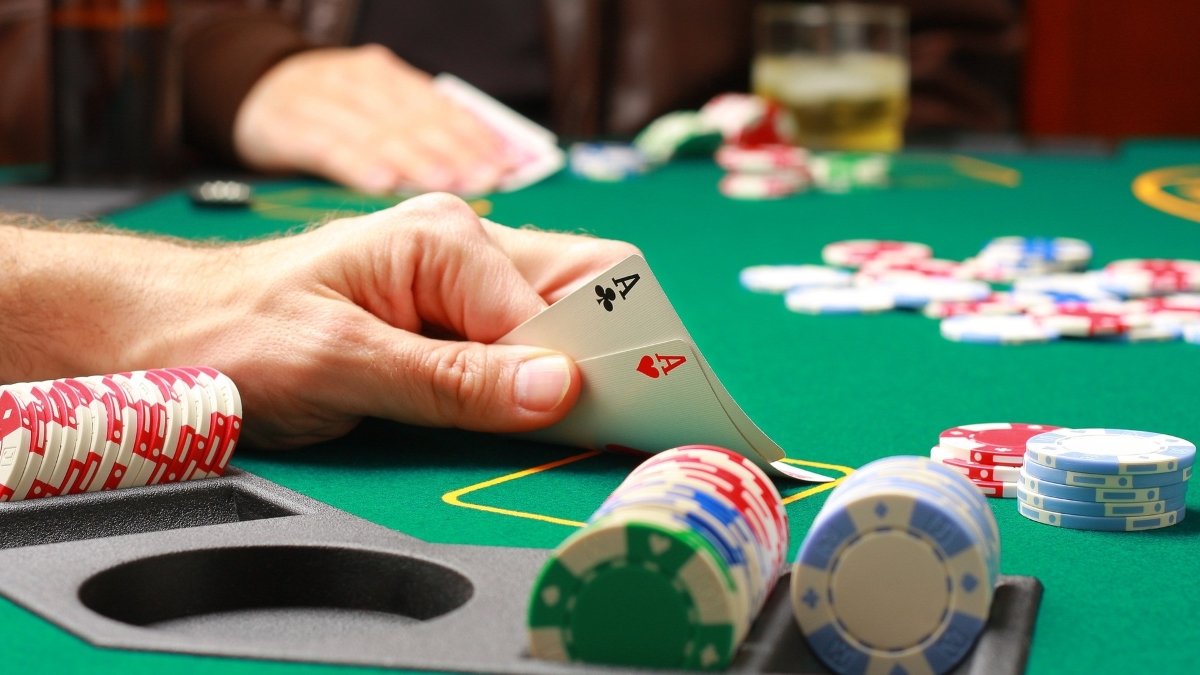
The psychological aspect of socializing in casinos is significant. Many individuals are drawn to environments where they can connect with others, and casinos provide an ideal setting for this social engagement. The atmosphere is typically vibrant and energetic, making it conducive for conversations and interactions. By fostering a sense of community, casinos not only enhance the gaming experience but also increase the likelihood that guests will return, as people often seek out environments where they can engage with friends or meet new acquaintances. This sense of belonging can significantly impact a patron’s overall satisfaction and willingness to return.
Moreover, the design of casinos may include social gaming options, such as poker rooms or communal gaming tables, which directly encourage interaction. These areas are strategically placed to attract groups of friends or strangers alike, further enhancing the social dynamic. As patrons interact, they are more likely to become invested in the experience, leading to potentially higher spending. By creating opportunities for social engagement, casino design significantly bolsters the overall experience and satisfaction of visitors. Such thoughtful design elements underline the importance of social interaction in the context of leisure and entertainment.
The Importance of Strategic Branding and Digital Presence
In today’s digital age, the strategic branding of casinos extends beyond physical design to encompass a robust online presence. The website serves as the digital façade of a casino, reflecting its brand identity and attracting new visitors. A well-designed website is crucial for conveying the essence of the casino experience, showcasing offerings such as games, promotions, and special events. This digital representation complements the physical environment, creating a cohesive brand image that resonates with potential patrons. By integrating visually appealing graphics and user-friendly navigation, casinos can effectively entice visitors to engage both online and offline.
Furthermore, the design of a casino’s website must also cater to user experience, ensuring that visitors can easily navigate and find relevant information. This is crucial for converting online interactions into physical visits. Features such as virtual tours, detailed game descriptions, and interactive elements engage potential guests, enhancing their connection to the casino before they even step foot inside. The psychological impact of this digital engagement cannot be overlooked, as informed guests are more likely to feel excited about their upcoming visit. A strong online presence can also serve as a valuable marketing tool, allowing casinos to reach a wider audience.
Additionally, the integration of online gaming platforms has expanded the reach of casino branding beyond geographical constraints. Quality website design allows casinos to engage with a broader audience, promoting their brand through various digital channels. By emphasizing user engagement online, casinos can maintain a constant connection with guests, fostering loyalty and encouraging future visits. In an increasingly competitive market, a strong online presence complements the physical design of the casino and plays a significant role in attracting and retaining visitors. As the landscape of entertainment continues to evolve, embracing both physical and digital design strategies becomes essential for sustained success.